
What Is a Digital Detox? Signs You Need One and How to Actually Start
The average person checks their phone or laptop dozens of times a day, often without deciding to.. Not because there’s always something important waiting, but because the habit has quietly wired itself into the smallest gaps of the day a red light, a boring meeting, the three seconds before falling asleep.
A digital detox isn’t about throwing your phone in a drawer for a month or moving to a cabin without wifi. It’s a deliberate, temporary pullback from constant connectivity, with the goal of noticing what your attention actually feels like when it isn’t being pulled in six directions at once. This guide covers what a digital detox really involves, the signs that suggest you might need one, and how to start without it becoming just another thing you fail at by day two.
Table of Contents
What a Digital Detox Actually Means
At its simplest, a digital detox is an intentional period of reduced or eliminated use of phones, social media, or other digital devices. It can be as short as a single evening or as long as several weeks, and it can be total or selective some people cut out social media specifically while keeping their phone for calls and navigation; others go fully offline for a set stretch of time.
What makes it a “detox” rather than just “using your phone less” is the intentionality. It’s a deliberate reset, usually prompted by a sense that technology has started running the day rather than supporting it.
Signs You Might Actually Need One
Most people suspect, on some level, that their relationship with their phone isn’t quite right, but rarely stop to name why. A few patterns tend to show up consistently:
- Reaching for your phone automatically, without a specific reason, especially during idle moments
- Feeling a flicker of anxiety when you’re away from your phone for more than a few minutes
- Scrolling well past the point of enjoying it, into a kind of numb, automatic motion
- Struggling to focus on a single task without checking a notification mid-way through
- Comparing your life to what you see online more than feels good, more often than you’d like to admit
- Screen time before bed that consistently delays sleep, even when you’re genuinely tired
None of these are dramatic on their own. It’s the accumulation several of these showing up as a regular pattern that usually signals it’s worth stepping back.
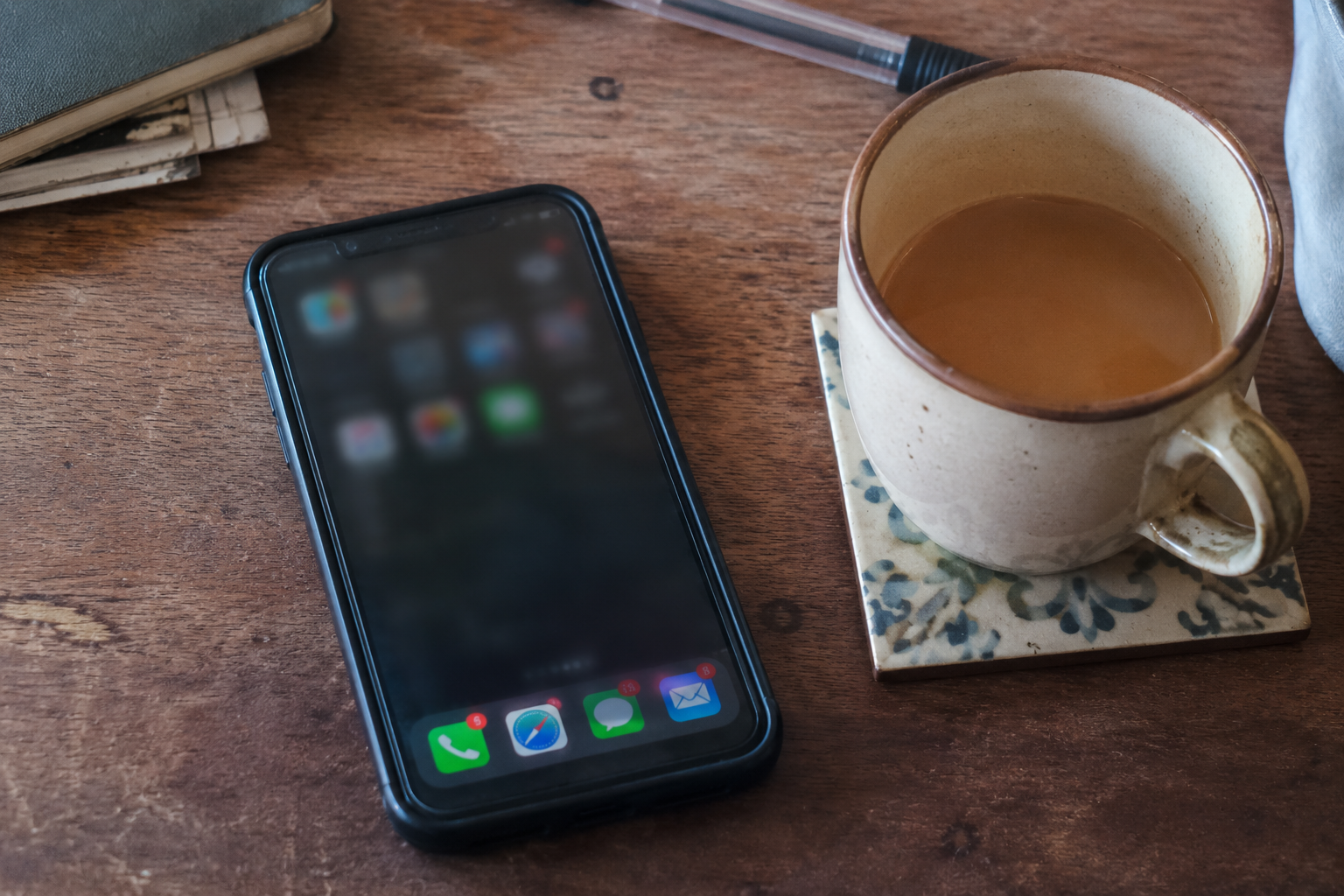
Why This Is Harder Than It Sounds
Modern apps are built, quite deliberately, to be difficult to put down. Notifications, infinite scroll, and variable reward patterns the same psychological mechanism behind slot machines aren’t accidental design choices. They’re the product. This is worth naming clearly, because it reframes the difficulty of stepping back: it isn’t a personal failure of discipline, it’s a design working exactly as intended.
There’s also a very real social layer to this. Group chats, shared plans, and family updates increasingly live inside these same apps, which makes fully disconnecting feel like it comes with a social cost, not just a personal one. A realistic digital detox has to account for this rather than pretend it doesn’t exist.
Protecting your attention is one of the quieter parts of staying well and it’s usually the first thing a digital detox restores
How to Actually Start (Without Quitting by Day Two)
The most common reason digital detox attempts fail is starting with an all-or-nothing plan that doesn’t survive real life. A more sustainable approach starts smaller and builds structure gradually, rather than attempting a dramatic full stop.
A reasonable starting point is choosing a specific window the first hour after waking, or the last hour before bed and keeping it phone-free, rather than committing to an entire day or week right away. Turning off non-essential notifications tends to make a bigger difference than most people expect, since a large share of automatic phone-checking is triggered by a buzz or badge rather than genuine need.
Creating small physical friction also helps charging your phone outside the bedroom, or leaving it in another room while working, adds just enough delay to interrupt the automatic reach. None of this requires giving up your phone entirely. It just stops the phone from being the default answer to boredom, silence, or an idle thirty seconds.
What a Realistic Digital Detox Looks Like Day to Day
In practice, it rarely looks like total disconnection. It looks like a phone left in another room during dinner. A morning that starts with a few quiet minutes before the first notification gets checked. A walk without earbuds, just to notice what silence feels like for once. These small, repeatable moments tend to matter more than one dramatic weekend offline.
This connects closely to something we’ve covered before reclaiming your time isn’t just about having more of it, it’s about protecting your attention within the time you already have. A digital detox is really just that principle applied specifically to screens.

Frequently Asked Questions
How long should a digital detox last?
There’s no fixed rule. Some people benefit from a single phone-free evening each week, while others prefer a longer stretch, such as a full weekend. Starting smaller and extending gradually tends to be more sustainable than committing to a long detox immediately.
Do I need to give up my phone completely?
Not necessarily. Many people find more success with a selective detox stepping back from specific apps or habits, like social media or late-night scrolling, rather than eliminating phone use entirely.
What are the benefits of a digital detox?
Commonly reported benefits include improved focus, better sleep quality, reduced anxiety around comparison and notifications, and more present, uninterrupted time with the people around you.
Why is it so hard to stick to a digital detox?
Many apps are specifically designed to encourage frequent, habitual checking through notifications and reward-based design. This makes stepping back genuinely difficult, not simply a matter of willpower.
What’s a simple way to start a digital detox today?
Choosing one small, specific window such as the first or last hour of your day to stay off your phone is one of the easiest ways to begin without an overwhelming, all-or-nothing commitment.
Tired of the same old dinner recipes? Then read the blog on 5 Quick Indian Vegetarian Dinner Recipes