How to Improve Gut Health A Simple, Everyday Guide to a Happier Digestive System
Gut health has quietly become one of the most talked-about corners of nutrition and unlike a lot of wellness trends, this one has real research behind it. Scientists have spent the last decade mapping just how much the trillions of bacteria living in your digestive tract influence far more than digestion alone: immunity, mood, sleep, even how your body processes stress.
What’s a little ironic is that a lot of what current research recommends for a healthy gut fiber-rich meals, fermented foods, variety over restriction closely resembles what many households have been cooking for generations, often without ever using the phrase “gut health” at all. This guide walks through what’s actually going on inside your digestive system, and how to support it without buying into every powder, supplement, or trend claiming to fix it overnight.
Table of Contents
What “Gut Health” Actually Means
Your digestive tract is home to trillions of bacteria, fungi, and other microorganisms collectively known as the gut microbiome.
Far from being passive passengers, these microbes help break down food, produce certain vitamins, regulate inflammation, and communicate directly with your brain through what researchers call the gut-brain axis.
A “healthy gut” generally means this ecosystem has a wide diversity of beneficial bacteria, kept in relative balance, without one type overwhelming the rest. Diversity, more than any single “superfood,” tends to be the strongest marker researchers point to when assessing gut health.
Signs Your Gut Might Need More Attention
Digestive symptoms are the most obvious signals, but gut imbalance can show up in less obvious ways too because of how closely the gut communicates with the rest of the body.
- Frequent bloating, gas, or irregular bowel movements
- Ongoing fatigue that doesn’t match your sleep or activity levels
- Skin issues like breakouts or irritation that flare unpredictably
- Getting sick often, since a large portion of immune function is tied to gut health
- Mood swings or brain fog with no clear external cause
None of these symptoms are proof of a gut problem on their own they’re simply worth paying attention to as a pattern, especially if several show up together consistently.
What Actually Feeds a Healthy Gut
Beneficial gut bacteria thrive on fiber, which acts as their primary fuel source. This is a big part of why fiber has become such a dominant nutrition topic recently it isn’t just about digestion in the traditional sense, it’s about feeding an entire internal ecosystem that affects far more than bowel regularity.
Plant diversity matters here more than quantity. Eating a wide range of vegetables, legumes, fruits, and whole grains across a week tends to support a more diverse microbiome than eating large amounts of the same few foods, even if those foods are technically healthy.

Fermented Foods: The Part Many Kitchens Already Get Right
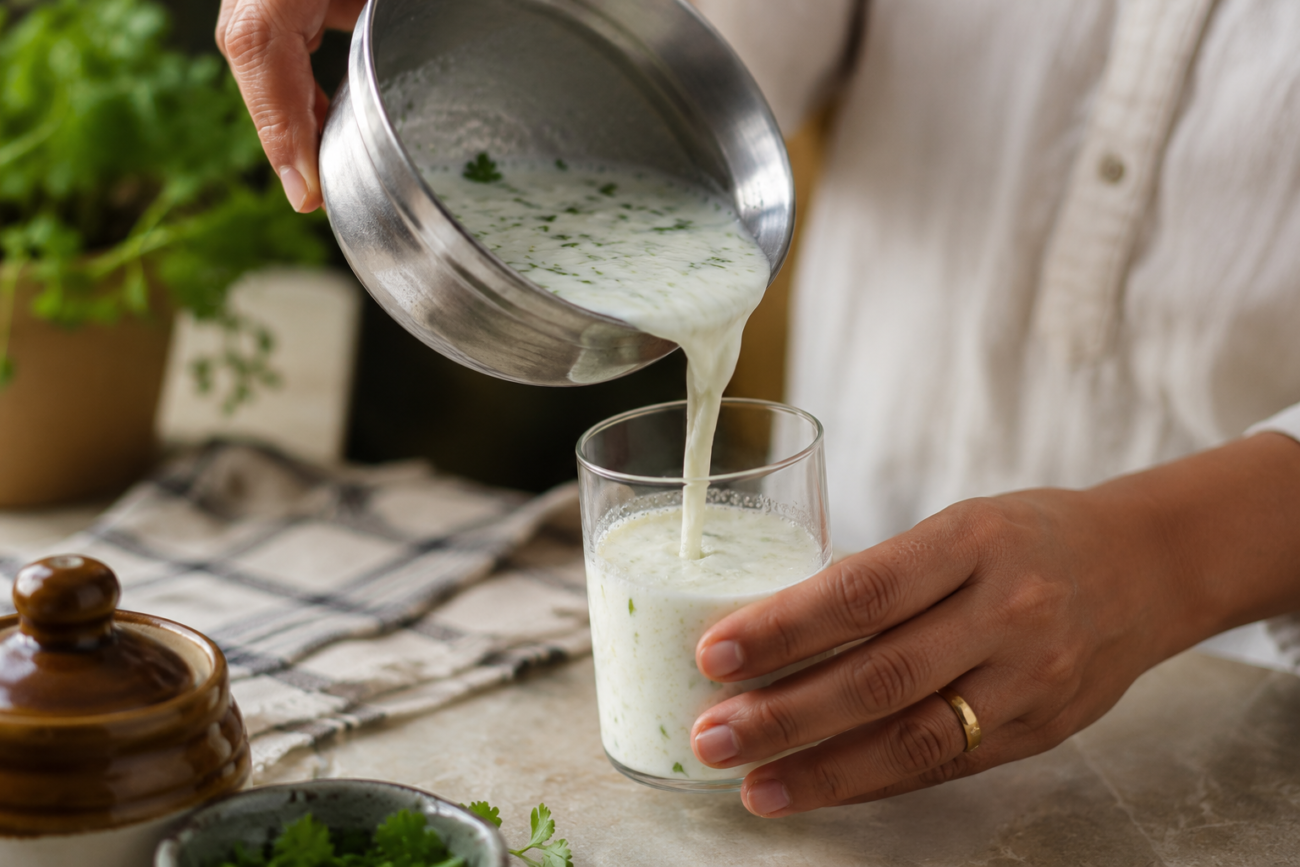
Fermented foods introduce live beneficial bacteria directly into the digestive system, and they’ve become a major focus in gut health research. What’s worth noticing is how many of these foods are already staples in everyday cooking curd, buttermilk or chaas, and the naturally fermented batter used for idli and dosa are all traditional sources of live cultures, developed long before “probiotic” became a marketing term.
Probiotic supplements can play a role for specific situations, but whole fermented foods generally offer a more diverse mix of beneficial bacteria, along with the added nutrition of the food itself. For most people without a specific medical need, food-based sources are a reasonable first place to focus rather than reaching for a supplement aisle.
The Gut, Your Mood, and Your Sleep
The gut-brain connection isn’t just a wellness buzzword a significant portion of the body’s serotonin, a neurotransmitter closely tied to mood, is produced in the gut rather than the brain.
This helps explain why digestive distress and emotional stress so often show up together, and why chronic stress can disrupt digestion just as easily as poor digestion can affect mood.
Sleep is tied into this same system. An imbalanced gut has been linked to more fragmented, lower-quality sleep, while consistent, good-quality sleep appears to support a healthier microbiome in return the relationship seems to run in both directions rather than just one.
A Realistic Way to Start
Improving gut health doesn’t require an elimination diet or an expensive supplement routine. A practical starting point is simply adding more variety to what you already eat a new vegetable, a different lentil, an extra piece of fruit while keeping fermented foods like curd or buttermilk as a regular part of meals rather than an occasional side note.
Small, consistent additions tend to shift the gut’s balance more effectively than any single dramatic change.
Frequently Asked Questions
How long does it take to improve gut health?
Some early changes in digestion can appear within a few days of adjusting fiber and fermented food intake, but meaningful shifts in the gut microbiome’s diversity generally take several weeks to a few months of consistent dietary changes.
What foods are best for gut health?
Fiber-rich foods like vegetables, legumes, whole grains, and fruit, combined with fermented foods like curd, buttermilk, and naturally fermented batters, are generally considered strong everyday choices for supporting gut health.
Are probiotics necessary, or can food alone help?
For most people without a diagnosed digestive condition, whole fermented foods can provide meaningful benefits without a supplement. Probiotic supplements may be recommended by a doctor for specific situations, such as after a course of antibiotics.
Can stress really affect gut health?
Yes. The gut and brain communicate closely through the nervous system, which is why stress can directly disrupt digestion, and ongoing digestive imbalance can, in turn, affect mood and stress resilience.
What are common signs of poor gut health?
Frequent bloating, irregular digestion, unexplained fatigue, skin flare-ups, and getting sick often are common signals, particularly when several appear together as a consistent pattern rather than an isolated occurrence.
Tired of the same old dinner recipes? Then read the blog on 5 Quick Indian Vegetarian Dinner Recipes