


What Is Wellness? A Complete Guide to Mind, Body and Lifestyle Health
What is wellness, exactly? Scroll through any social feed and the word shows up everywhere attached to green juices, yoga mats, gratitude journals, and 5 a.m. wake-up routines. Yet ask someone to define it in a single sentence, and most people pause.
Wellness is not a product you buy, a supplement you take, or a 30-day challenge you complete.
It is the active, ongoing practice of making choices that support a healthy, balanced life across your mind, your body, the quality of your sleep, and the daily habits that quietly shape everything else. This guide breaks down what wellness truly means, why it reaches far beyond physical health, and how to build it one deliberate choice at a time in every part of your life.
Why Wellness Means More Than “Not Being Sick”
For a long time, health conversations began and ended with the body. Are you free of disease?
Are your lab numbers in range?
Can you climb a flight of stairs without losing your breath? These questions matter, but they only capture one slice of a much bigger picture.
The World Health Organization has long defined health as a state of complete physical, mental, and social well-being not merely the absence of illness. Wellness builds directly on that idea. It is not something that happens to you when nothing is wrong.
It is something you actively construct, day after day, through the decisions you make about how you sleep, how you think, how you move, and how you live.
Perhaps the most important thing to understand is this: wellness has no finish line. It is not a state you eventually arrive at and stay in permanently. It is a continuous, evolving relationship with yourself which also means every single day offers a fresh chance to move a little closer to it.
Table of Contents
The Whole Picture: Mind, Sleep, Body and Daily Life
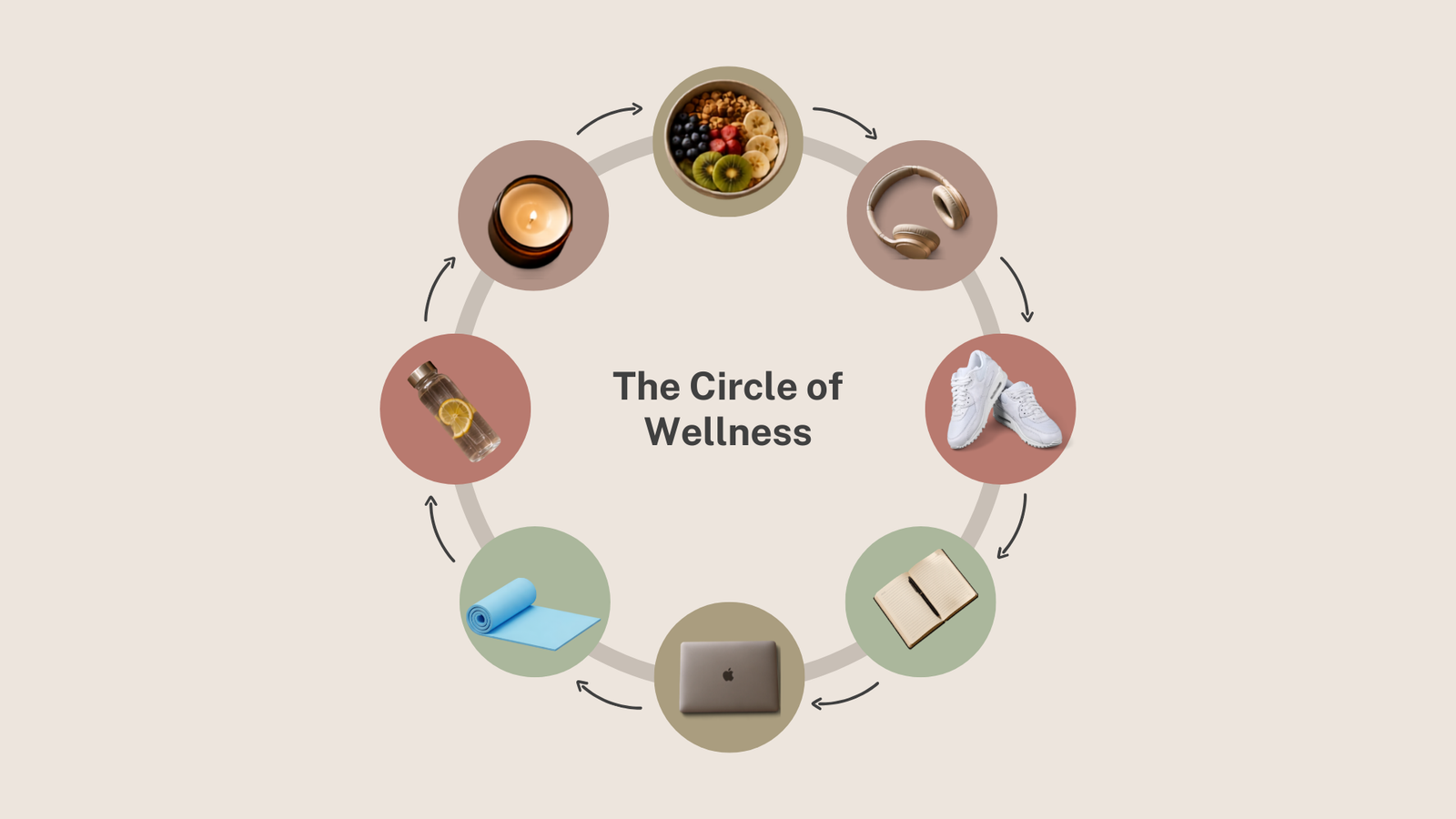
A person can look perfectly healthy on paper and still feel exhausted, anxious, and disconnected. Meanwhile, someone managing a chronic physical condition can live with real vitality, purpose, and joy. Genuine wellness accounts for the whole person, not just the parts that show up on a blood test.
When people ask what wellness really means, they are usually asking about four interconnected dimensions of human life:
- How your mind and emotions are functioning your thoughts, stress levels, and emotional resilience
- How well you sleep and recover the quality of rest your brain and body receive each night
- How you care for your physical body through movement, nutrition, hydration, and preventive care
- How you live day to day your habits, relationships, environment, and the rhythms that either support you or slowly wear you down
None of these dimensions works in isolation. They reinforce each other constantly, and when one begins to suffer, the others feel the effects soon after. That interconnection is exactly what turns wellness into a whole-life practice rather than a single habit, product, or app.
The Mind Comes First: Understanding Mental Wellness

If one dimension quietly governs all the others, it is the state of your mind.
Mental wellness is the ability to think clearly, regulate your emotions, handle life’s pressures, and hold onto a general sense of purpose and inner balance. It does not mean the absence of difficult feelings it means having the capacity to move through them without being overtaken by them.
Most people underestimate just how deeply mental state affects physical health. Chronic stress keeps the body flooded with cortisol, a hormone that, in sustained high doses, disrupts sleep, weakens immune response, raises blood pressure, and fuels inflammation.
Anxiety can quietly derail healthy eating and exercise routines. Low mood can sap the motivation to do almost anything at all. The mind and body are not two separate systems linked by a thin wire they are one integrated system, and the mind tends to set the tone for the rest.
What Good Mental Wellness Actually Looks Like
- Naming and expressing your emotions without being overwhelmed by them
- Recovering from setbacks without staying stuck in them for weeks at a time
- Communicating honestly and clearly in your relationships
- Feeling a general sense of meaning, even on perfectly ordinary days
- Thinking clearly, making decisions, and staying present rather than checked out
Signs Your Mental Wellness Needs Attention
- Persistent hopelessness, emptiness, or emotional numbness
- Trouble concentrating, even on simple, familiar tasks
- Withdrawing from people and activities you used to enjoy
- Increased irritability, mood swings, or fatigue with no clear physical cause
- Leaning on food, alcohol, overwork, or endless scrolling to avoid uncomfortable feelings
Everyday Habits That Build Mental Wellness
Practice mindfulness, even briefly. A short daily period of focused breathing or simple meditation has measurable effects on emotional regulation and stress response. You don’t need an app or a cushion you need a few quiet minutes and the willingness to sit with them.
Write things down. Journaling is one of the most underrated mental health tools available. Getting worries, frustrations, and goals out of your head and onto a page creates a kind of psychological distance that is genuinely hard to reach any other way.
Protect your attention. Your mental environment is shaped by what you consume. A constant stream of news, comparison, and notifications creates a low background hum of anxiety that many people have simply learned to accept as normal. It doesn’t have to be.
Set real boundaries. Chronic overcommitment is one of the most common paths to mental exhaustion. Saying no isn’t selfish it protects the energy you need to show up fully for the people and priorities that matter most.
Ask for support before you hit a crisis point. Therapy, counselling, and coaching aren’t last resorts reserved for emergencies. They’re tools that can help you understand yourself and build strategies well before things reach a breaking point.
Why Sleep Deserves to Be Your First Priority
Ask most people where they would start improving their health, and the answer is usually diet or exercise. Almost nobody says sleep first which is a significant miscalculation.
Sleep is arguably the single most powerful recovery and restoration tool the human body has.
While you’re unconscious, your brain is consolidating memories, processing the day’s emotions, clearing metabolic waste, and rehearsing motor skills. Your body, meanwhile, is repairing tissue, balancing hormones, regulating immune function, and restocking energy reserves. Sleep isn’t downtime it’s active maintenance, and most people are running a chronic deficit without realizing it.
What Happens When Sleep Falls Short
- Cognitive performance declines when the brain can’t complete its overnight clean-up process
- Weight management becomes harder, since sleep loss disrupts the hormones that regulate hunger and fullness
- Cardiovascular strain increases, with blood pressure and inflammatory markers trending upward
- Mental health suffers poor sleep is one of the strongest known predictors of anxiety and low mood
- Immune defenses weaken, making illness both more likely and slower to resolve
A particularly sobering pattern: people who are chronically under-slept tend to stop noticing how impaired they actually are. They adapt to a lower baseline and simply call it normal.
How Much Sleep Do You Actually Need?
Most adults function best on somewhere between seven and nine hours a night. But the number alone doesn’t tell the whole story quality and structure matter just as much.
Sleep moves through repeating cycles of light sleep, deep sleep, and REM, and each stage serves a different purpose. Fragmented sleep that interrupts these cycles can leave you feeling depleted even when the total hours look reasonable on paper.
Building Genuinely Better Sleep
Anchor your schedule. Going to bed and waking at roughly the same time every day, weekends included, is one of the single most effective things you can do for sleep quality. Your internal body clock runs on rhythm, and it performs best when that rhythm isn’t constantly reset.
Build a wind-down routine. Your brain can’t flip instantly from “on” to “asleep.” A 30 to 60 minute transition dim lighting, no screens, quiet activity signals your nervous system to begin powering down.
Set up your sleep environment deliberately. A cool room, near-total darkness, and quiet are the conditions under which sleep tends to run deepest.
Rethink caffeine and alcohol timing. Caffeine lingers in your system for hours, so an afternoon coffee can still be active at bedtime. Alcohol, meanwhile, suppresses REM sleep and tends to cause fragmented waking later in the night.
Get tomorrow out of your head. Writing down tomorrow’s to-do list before bed moves it out of your mind and onto paper, easing the mental churn that so often delays sleep onset.
Caring for the Body You Live In
The body you inhabit isn’t just a vehicle it’s the foundation everything else rests on. When it’s strong, nourished, and cared for, mental clarity, emotional resilience, and good sleep all become easier to reach. When it’s neglected, everything else tends to strain.
Physical wellness is the practice of giving your body what it needs to function at its best, through movement, food, hydration, rest, and proactive care. It isn’t about appearance it’s about function, energy, and long-term durability.
Movement Is Medicine
The evidence on physical activity is about as clear as anything in modern health science. Regular movement lowers the risk of heart disease, type 2 diabetes, several cancers, depression, and cognitive decline. It supports mood through its effect on neurotransmitters, strengthens bones, improves sleep quality, and extends the years you spend in good health.
General public-health guidance points to roughly 150 to 300 minutes of moderate aerobic activity a week, paired with two or more days of strength training. But the detail that matters most in practice is simpler: move more than you currently do, and choose forms of movement you can realistically keep up for years, not weeks.
Food as Information, Not Just Fuel
Every meal sends signals to your cells, hormones, gut, and brain. Physical wellness doesn’t require a flawless diet or obsessive tracking it requires a steady shift toward more whole foods and fewer heavily processed ones.
- Prioritize enough protein essential for muscle repair, satiety, and hormonal health
- Fill roughly half your plate with vegetables at most meals
- Cut back on added sugar and ultra-processed food consistently, not obsessively
- Eat slowly and pay attention mindful eating curbs naturally overconsumption and improves digestion
Hydration, Recovery and Preventive Care
Hydration: Even mild dehydration can measurably blunt concentration, mood, and physical performance. A simple starting benchmark is roughly half your body weight in ounces of water each day, adjusted for activity and climate.
Recovery: Exercise breaks tissue down; sleep, rest, and nutrition build it back stronger. Skipping recovery in favor of constant intensity is a fast path to injury, burnout, and regression.
Preventive care: Routine physicals, dental visits, screenings, and bloodwork give you real data to catch small issues before they become large ones. The body tends to send signals long before it sends emergencies.
The Everyday Choices That Shape Lifestyle Wellness
Here’s something that rarely gets said directly: you can have a strong morning routine, eat well, and exercise consistently and still feel like your life is working against you. That’s because wellness isn’t only built in the gym or the kitchen. It’s built in the largely invisible architecture of daily life.
Lifestyle wellness is the practice of intentionally shaping your habits, relationships, environment, and daily rhythms so they support your health and happiness instead of quietly eroding them.
The Habits You Don’t Notice Are Running the Show
A large share of what you do each day isn’t the product of conscious decision-making it’s habit. The way you reach for your phone first thing in the morning, the route you take to work, how you unwind in the evening: these automatic patterns shape your health outcomes more than any single deliberate choice you make.
Lifestyle wellness starts with noticing your default patterns, then slowly and deliberately swapping the ones that drain you for ones that build you up.
The People Around You Are Part of Your Wellness
Humans are wired for connection at a biological level, and when that need goes unmet, the consequences aren’t only emotional. Chronic loneliness is linked to elevated cortisol, increased inflammation, disrupted sleep, and a shorter lifespan — some researchers place its health impact in the same range as regular smoking.
- Protect time for the people who genuinely matter to you
- Be honest in your relationships rather than performing wellness while quietly disconnecting underneath
- Build community through friendship, family, shared interests, or volunteering
- Notice when a relationship consistently depletes you rather than nourishes you
Purpose Isn’t a Luxury
People with a clear sense of purpose tend to live longer, experience slower cognitive decline, recover from illness more quickly, and report greater life satisfaction. Purpose doesn’t require a grand calling it can be found in your work, your creative pursuits, your community, or the people you care for.
What it requires is reflection: the willingness to ask what actually matters to you, and to let your daily life increasingly reflect that answer.
Your Environment Shapes You More Than You Shape It
The spaces you spend time in, the air you breathe, the noise around you, and the clutter you live with all have measurable effects on stress hormones, focus, mood, and sleep quality.
- Spend time outdoors regularly even a short walk in a natural setting can lower stress hormones
- Reduce clutter at home and at work visual chaos adds constant, low-grade cognitive load
- Set intentional limits on digital noise, since notifications and feeds are designed to capture attention at a real cost to your nervous system
Stress Isn’t the Enemy Unmanaged Stress Is
Some stress is genuinely useful. It sharpens focus, motivates action, and builds resilience, provided it’s followed by real recovery. The problem is a modern pace of life that keeps the stress response switched on without ever fully turning it off. Chronic, unmanaged stress is a common thread running through many lifestyle-related health issues from heart disease and digestive trouble to chronic fatigue and immune dysfunction.
Why You Can’t Improve One Area While Ignoring the Rest
The most common mistake people make with wellness is treating it like a buffet picking the parts they enjoy and skipping the rest. That approach produces limited, temporary results, because each dimension of wellness feeds directly into the others.
Poor sleep raises stress hormones, which makes emotions harder to regulate, which lowers motivation to exercise, which in turn makes sleep worse. Regular exercise improves mood through its effect on brain chemistry, which supports emotional resilience, which makes it easier to sustain the daily habits that keep you well. Unmanaged psychological stress creates physical inflammation, disrupts digestion, interferes with sleep, and quietly undermines nearly every other healthy choice you try to make.
There is no shortcut that bypasses this interconnection. The only real path to lasting wellness is a gradual, consistent investment across every area of your life not perfectly, not all at once, but intentionally and over time.
Where to Actually Begin
The most paralyzing part of wellness is the feeling that you need to change everything at once. You don’t.
Start with a week of honest observation, without judgment. How are you sleeping? How do you feel when you wake up? What do your stress levels look like across a typical day? How much are you moving? What are you eating? Who are you spending time with, and how do those interactions leave you feeling? That baseline specific, unfiltered, and honest is worth more than any wellness plan you could follow without it.
From there, choose one small action. Not a program, not a 30-day challenge one action, in one area, practiced consistently for two to three weeks before you add anything else.
- For your mind: five minutes of quiet journaling each morning, before you check your phone
- For your sleep: a consistent bedtime, even just 30 minutes earlier than your current one
- For your body: a 20-minute walk every day, regardless of pace or distance
- For your daily life: identify one habit quietly working against you, and replace it with one that works for you
Progress over perfection. Consistency over intensity. That is, in the end, the only rule that really matters.
Frequently Asked Questions
What is wellness in simple terms?
Wellness is the active, daily practice of making choices that support your mental, physical, sleep, and lifestyle health. It isn’t about being perfect it’s about steadily moving toward a life that feels genuinely healthy and fulfilling.
Is wellness the same thing as health?
Not exactly. Health typically refers to the absence of disease or physical illness. Wellness is broader it includes your emotional and mental state, the quality of your sleep, your daily habits, your relationships, and your sense of purpose. It’s possible to be medically healthy and still not feel well.
What are the main areas of wellness?
The four core areas covered in this guide are mental wellness, sleep wellness, physical wellness, and lifestyle wellness. Some frameworks expand this further to include financial, spiritual, social, and environmental wellness, but these four form the foundation.
How do I actually improve my overall wellness?
Start small and specific. Choose one habit in one area and practice it consistently before adding another. Small, sustained actions compound into real, lasting change far more reliably than sweeping overhauls.
Does wellness look the same for everyone?
Not at all wellness is deeply personal. The right sleep schedule, movement style, way of eating, and lifestyle design for you won’t look identical to anyone else’s, and that’s exactly how it should be.
Which area of wellness should I focus on first?
If you’re unsure where to start, sleep is often the highest-leverage entry point, since it touches nearly every other dimension of health cognitive function, emotional regulation, physical recovery, motivation, and daily energy.
Final Thoughts
Wellness isn’t a product you purchase or a program you complete once and check off. It’s an ongoing relationship with yourself built honestly, practiced consistently, and held with real care.
It means paying attention when your mind signals that something is off. It means respecting your body’s need for rest, movement, and nourishment. It means examining the habits and patterns you’ve inherited or built without noticing, and asking honestly whether they still serve the life you actually want.
You don’t need to be extraordinary to be well. You need to be consistent, honest with yourself, and willing to start now not once conditions are perfect, but with whatever you have today.
Wellness is available to you. It always has been. The only real question is whether you’re ready to choose it, one small decision at a time.
For informational purposes only. Not medical advice.
Tired of the same old dinner recipes? Then read the blog on 5 Quick Indian Vegetarian Dinner Recipes
