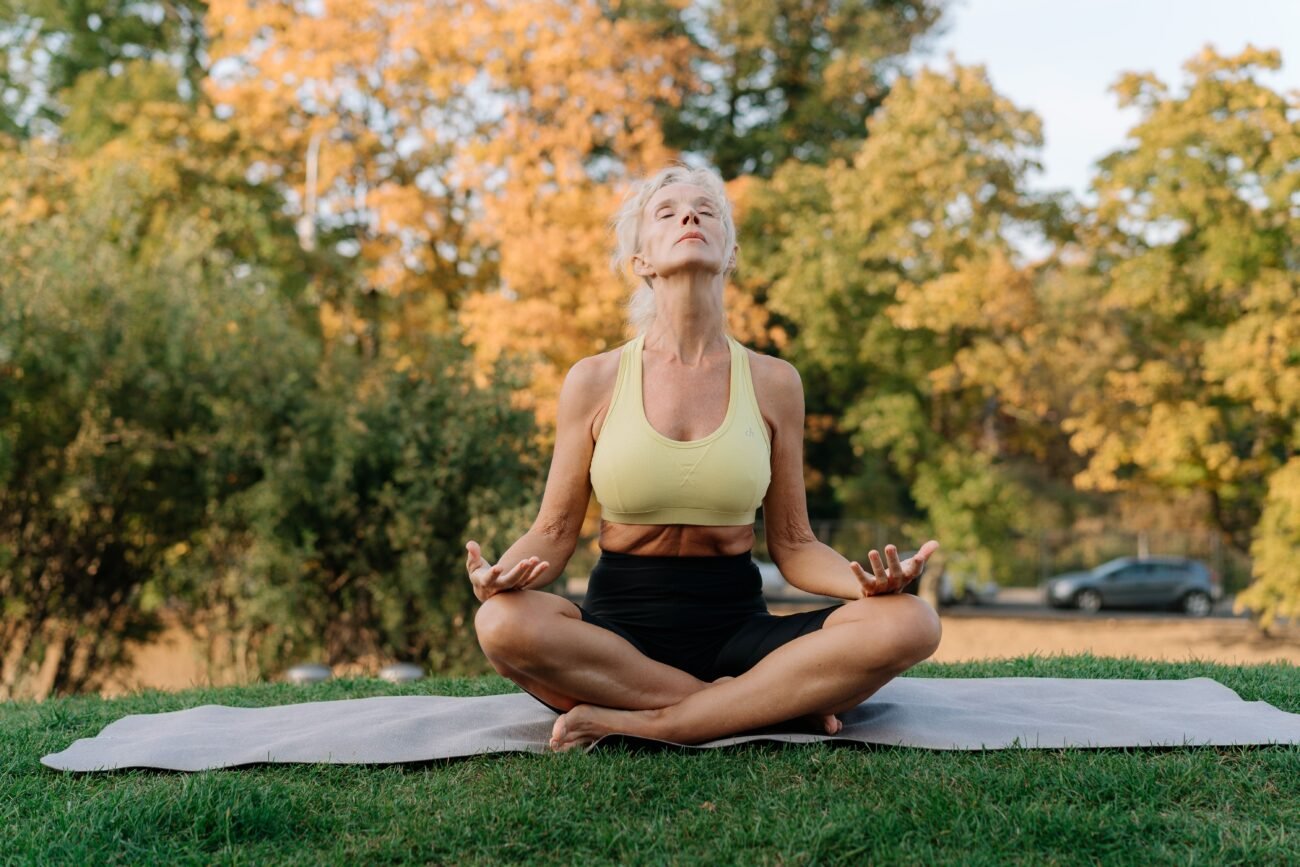
Deep Breathing Exercises for Stress Relief: Simple 5-Minute Techniques
Stress doesn’t always show up as a big, dramatic moment. More often, it’s a tight chest, shallow breathing, and a mind that won’t slow down. One of the fastest ways to interrupt that cycle is also one of the simplest: your own breath.
Deep breathing exercises for stress relief don’t require an app, a quiet room, or twenty minutes you don’t have. Most work in under five minutes, anywhere. Below are six techniques worth learning, each with simple steps you can follow the first time you try them.
Breathing is just one piece of a much bigger picture if you’re thinking about stress and wellbeing more broadly, this is worth a look too.
Table of Contents
Why Deep Breathing Actually Works
Stress activates the body’s fight-or-flight response faster heart rate, shallow breathing, tense muscles. Slow, controlled breathing does the opposite, signaling the nervous system to shift out of that alert state.
This isn’t just a mental trick. Slower breathing has a measurable effect on heart rate and how the body processes stress, which is why breathing exercises for stress relief work even on days you don’t feel like they will.
Start with 2 to 5 minutes a day for any of these techniques, and build up gradually as they become more familiar and comfortable.
Box Breathing (Equal Breathing)
Box breathing keeps each part of the breath the same length, which gives an anxious mind something steady to focus on. It’s one of the easiest deep breathing exercises for anxiety and stress to remember under pressure, since the rhythm is simple to count.
How to do it:
- Sit comfortably and relax your shoulders.
- Inhale slowly through your nose for a count of 4.
- Hold the breath gently for a count of 4.
- Exhale slowly through your nose for a count of 4.
- Hold again for a count of 4, then repeat the cycle for a few minutes.
4-7-8 Breathing
This technique stretches the exhale far longer than the inhale, which tends to calm the body faster than even breathing does. It’s especially useful before sleep or in a sudden stress spike.
How to do it:
6. Sit or lie down comfortably, with your tongue resting gently behind your upper front teeth.
7. Inhale quietly through your nose for a count of 4.
8. Hold your breath for a count of 7.
9. Exhale completely through your mouth for a count of 8, making a soft whoosh sound.
10. Repeat the cycle 4 times to start.
Diaphragmatic (Belly) Breathing
Most people breathe shallowly without realizing it quick breaths that barely move past the chest. Diaphragmatic breathing is the foundation most other breathing techniques for stress are built on, and it’s worth mastering on its own.
How to do it:
- Lie down or sit comfortably, placing one hand on your chest and one on your stomach.
- Inhale slowly through your nose, letting your stomach rise while your chest stays still.
- Exhale slowly through pursed lips, feeling your stomach fall.
- Keep the hand on your chest as still as possible throughout.
- Continue for 5 minutes, working up to longer sessions as it becomes more natural.
Pursed Lip Breathing
This one is useful in the middle of a busy day, since it slows your breathing pace almost immediately and needs no special posture or setting.
How to do it:
- Relax your neck and shoulders.
- Inhale slowly through your nose for a count of 2, keeping your mouth closed.
- Purse your lips as though you’re about to whistle.
- Exhale slowly through pursed lips for a count of 4 or longer.
- Repeat several times, especially during moments that usually spike your stress.
Alternate Nostril Breathing
This technique takes slightly more practice but is one of the more effective simple breathing exercises for settling a racing mind, since it requires focused attention on the pattern itself.
How to do it:
- Sit comfortably and bring your right hand up to your nose.
- Close your right nostril with your thumb and inhale slowly through your left nostril.
- Close your left nostril with your fingers, release your thumb, and exhale through your right nostril.
- Inhale through your right nostril, then switch again and exhale through your left.
- Continue this alternating pattern for up to 5 minutes.
Resonant Breathing
This is one of the simplest breathing exercises to reduce stress, since it uses just one consistent count for both the inhale and exhale.
How to do it:
- Sit or lie down comfortably.
- Inhale slowly through your nose for a count of 5.
- Exhale slowly through your nose for a count of 5.
- Keep the rhythm steady and unforced, continuing for several minutes.
When to Use These Techniques
- Before a stressful conversation — a minute of box breathing steadies a racing heart
- During a work deadline spiral — a short pursed lip breathing reset breaks tension without leaving your desk. If work stress feels like more than just a bad week lately, it might be worth asking why we’ve written about one common pattern behind that.
- Before sleep — 4-7-8 breathing helps signal the body to wind down
- In the middle of a stress response — even a few slow breaths can interrupt the spiral before it builds
- As a daily practice — a consistent 5-minute session builds resilience over time, even on calm days
Common Mistakes That Reduce Effectiveness
Breathing too fast. The whole point is to slow down rushing through counts defeats the purpose.
Only breathing into the chest. Shallow chest breathing doesn’t trigger the same calming response as full diaphragmatic breathing.
Expecting instant, dramatic results. Some techniques take a few rounds before the calming effect becomes noticeable.
Practicing only during a crisis. These techniques work best when familiar practicing during calm moments makes them far more effective when actually needed.
Frequently Asked Questions
How quickly do deep breathing exercises for stress relief actually work?
Many people notice a calming effect within a few minutes, though the effect tends to grow stronger with regular practice over time.
What’s the best breathing technique for anxiety in the moment?
Box breathing and 4-7-8 breathing are both commonly used for acute anxiety, since their structured counting gives the mind something steady to focus on.
Can breathing exercises replace other stress management methods?
They’re a strong tool on their own, but work best alongside other habits like sleep, movement, and addressing the root causes of ongoing stress.
Do I need a quiet space to practice these techniques?
Not necessarily. Most can be done discreetly at a desk, in a car, or in a waiting room, though a quiet space helps when first learning them.
Tired of the same old dinner recipes? Then read the blog on 5 Quick Indian Vegetarian Dinner Recipes