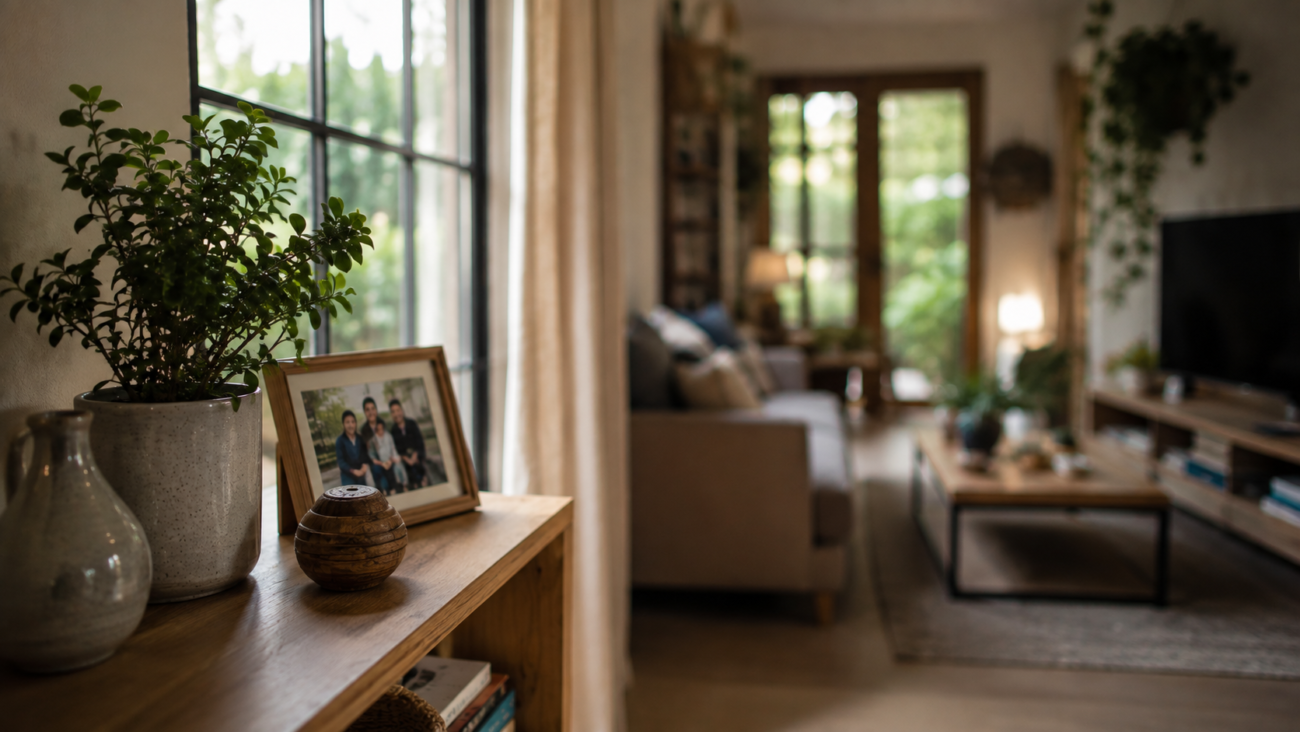
Minimalist Lifestyle in a Maximalist Household A Realistic Guide
Most minimalist lifestyle content assumes you live alone, control your entire space, and can donate whatever you want, whenever you want. That’s not most people’s reality.
If you live with parents, in-laws, or extended family, minimalist lifestyle advice built for solo apartments often just doesn’t translate. Someone else’s trophies are on your shelf. Wedding gifts from 2003 are still in the storeroom. And “just declutter it” isn’t really an option when the item in question belongs to someone you love and respect.
Here’s what a minimalist lifestyle actually looks like when you don’t have full control over your home and how to build one anyway.
Table of Contents
What a Minimalist Lifestyle Actually Means
A minimalist lifestyle isn’t about empty rooms or owning fourteen items total. It’s about intentional ownership keeping what you use, value, or genuinely love, and letting go of the rest.
It shows up in more than just physical space:
- What you own — fewer things, chosen on purpose
- What you spend on — buying less impulsively, especially during sales and festival season
- What lives on your phone — fewer subscriptions, less app clutter, less noise
- How you think — less “just in case,” more “I actually use this”
A minimalist lifestyle is a mindset first. The decluttering is just where it becomes visible.
Why It’s Genuinely Harder in a Full Household
This is the part most minimalism content skips entirely.
You don’t own the whole house. Your bedroom might be yours to control. The living room, storeroom, and kitchen usually aren’t.
Sentimental weight is heavier. That jewelry box, those old sarees, that furniture from a wedding they’re not clutter to the person who kept them. They’re memory.
Letting go can feel disrespectful. In a joint household, decluttering someone else’s things even gently can come across as dismissing their memories or their taste, not just tidying up.
“We might need it someday” is a real value, not just a habit. For a generation that grew up with scarcity or unpredictability, holding onto things isn’t hoarding it’s preparation. That mindset deserves respect, not eye-rolling.
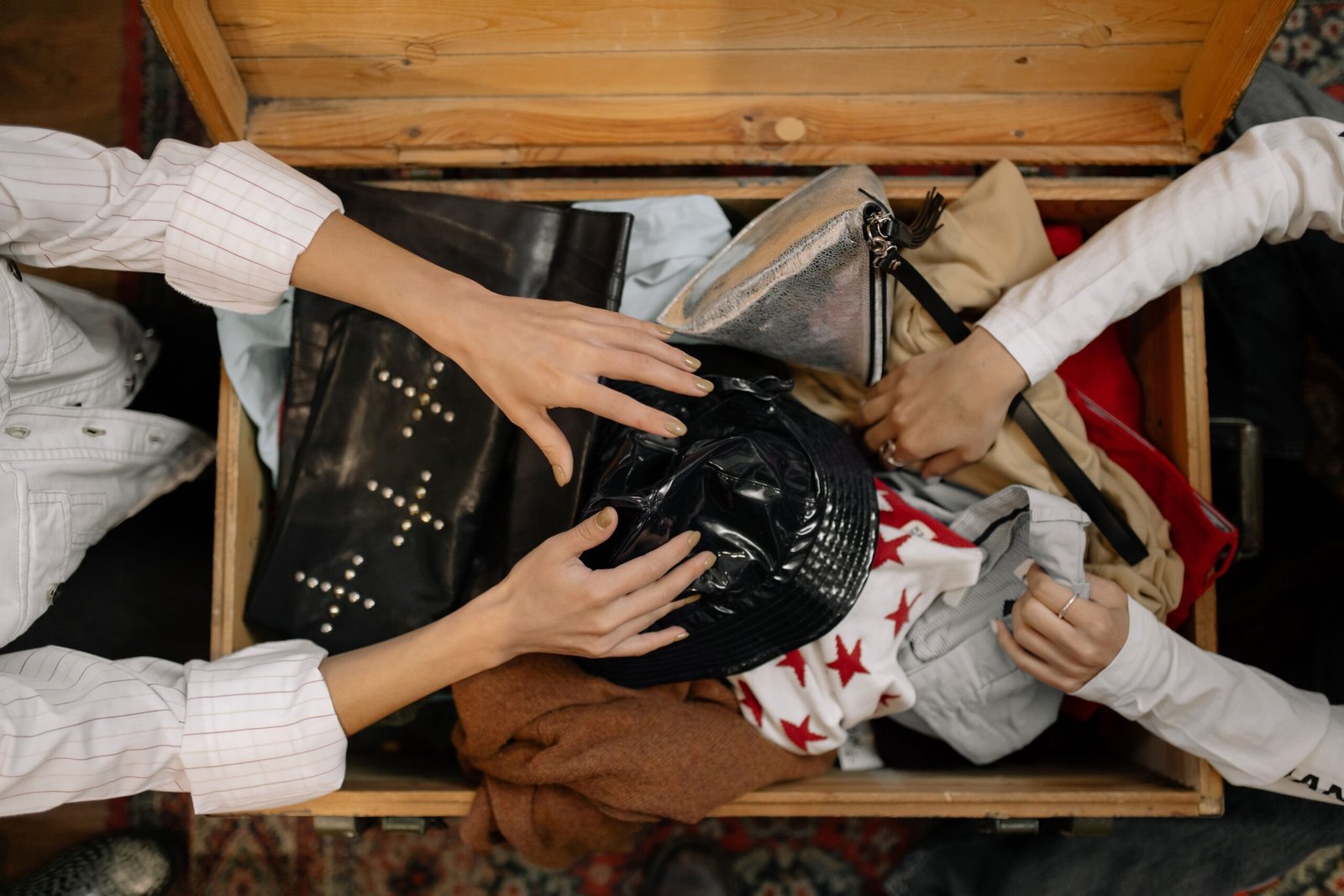
A minimalist lifestyle in this setting isn’t about winning an argument with your family’s habits. It’s about finding where you actually do have control, and starting there.
The “Your Space vs. Shared Space” Approach
Instead of trying to minimalist-ify the entire house, split it in your head into two categories.
Your space — your room, your wardrobe, your desk, your phone. Full control. Start here.
Shared space — living room, storeroom, kitchen cabinets. Shared decisions. Go slow, and go with conversation, not conquest.
This single mental shift solves most of the frustration people feel when minimalist lifestyle advice doesn’t fit their home. You’re not failing at minimalism. You’re just applying it to a house with more than one decision-maker.
Handling Sentimental and Gifted Items Without Guilt
- Separate “useful” from “meaningful.” Some items deserve to stay purely because they matter that’s allowed. A minimalist lifestyle doesn’t mean zero sentiment, it means fewer things you don’t actually value.
- Photograph before letting go. If something has to leave but the memory matters, a photo often satisfies the emotional need better than the object itself.
- Ask before assuming. Check with the person before moving or donating something that isn’t fully yours the goodwill saved is worth more than the shelf space gained.
- Pick one small win first. A drawer, not the whole storeroom. Momentum matters more than speed.
5 Realistic Habits for a Minimalist Lifestyle at Home
1. One-in, one-out for your own things. New item in, something similar goes out keeps your space from slowly refilling
2. A monthly 15-minute reset. Not a deep clean just your space, once a month, nothing more.
3. Pause before festival-season buying. A lot of household clutter starts as decor or gifts used once a year and stored the other fifty weeks
4. Digital declutter counts too. Unused apps, old subscriptions, and a messy phone gallery are minimalist lifestyle wins most people forget about.
5. Talk, don’t just act. A five-minute conversation about why you’re decluttering avoids most family friction before it starts.
Frequently Asked Questions
What does a minimalist lifestyle mean?
Owning and keeping only what you genuinely use or value across physical items, spending habits, and even digital space rather than accumulating by default.
Can you live a minimalist lifestyle in a joint or shared household?
Yes, but it usually starts smaller with your own space and habits rather than the whole home at once.
How do I declutter without upsetting family members?
Focus on your own belongings first, ask before touching shared or gifted items, and explain your reasons instead of acting unilaterally.
Is minimalism the same as having very few things?
Not exactly. It’s about intentional ownership some minimalists own very little, others simply own only what they truly use and value.
Bottom Line
A minimalist lifestyle was never meant to be a solo apartment aesthetic. It’s a mindset that can exist quietly inside a full, busy, loving household you just start with what’s actually yours to control, and let the rest follow at its own pace.
Progress here looks like a drawer, not a dumpster. Small, respectful, consistent that’s a minimalist lifestyle that actually survives real family life.
Tired of the same old dinner recipes? Then read the blog on 5 Quick Indian Vegetarian Dinner Recipes