Best Sleep Position The Right Way to Sleep for Back Pain, Digestion, and Restful Sleep
Most people never think about how they sleep only that they didn’t sleep well. But the position your body holds for seven or eight hours a night has a direct effect on your spine, your digestion, your breathing, and how rested you actually feel in the morning.
There isn’t a single position that’s universally correct for everyone. The best sleep position depends on what your body needs whether that’s relief from back pain, better digestion, or simply deeper, more uninterrupted rest. This guide breaks down exactly which position supports which goal, so you can choose what’s actually right for you instead of guessing.
Sleep position is just one piece of a much bigger picture how well you rest ties directly into your overall mental and physical wellness. And if it’s actually racing thoughts or stress keeping you up at night rather than physical discomfort, no pillow arrangement will fully solve that. Addressing the anxiety itself is often the bigger lever to pull.
Table of Contents
What Is the Best Sleep Position, Really?
The honest answer is that the best sleep position isn’t one-size-fits-all. It depends on your specific concerns spinal alignment, digestive comfort, breathing, or a combination of all three.
What is true across almost everyone, though, is that certain positions consistently perform better for the body’s structure and function, while others consistently create problems over time.
Sleep specialists generally group positions into three categories: side sleeping, back sleeping, and stomach sleeping. Each one interacts differently with your spine, organs, and airway which is why the right choice really does depend on what you’re trying to solve
Best Sleep Position for Back Pain
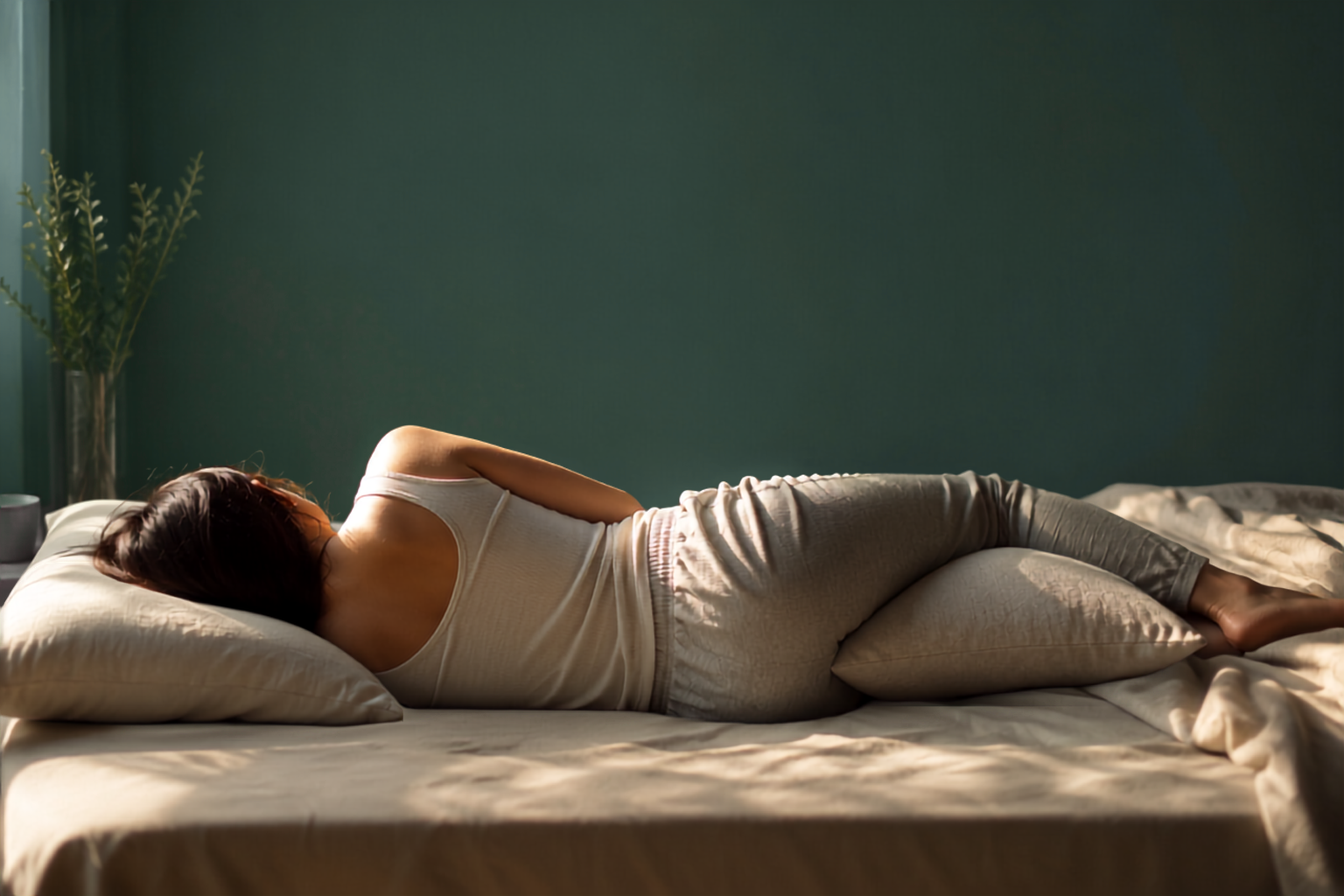
If back pain is your main concern, side sleeping with a pillow between your knees is generally considered the most supportive position. This keeps your hips, pelvis, and spine aligned, reducing the twisting pressure that builds up when your top leg falls forward unsupported.
Back sleeping is the second-best option for spinal health, particularly with a pillow placed under your knees. This position distributes body weight evenly along the length of the spine and reduces pressure points, though it works best for people without significant snoring or sleep apnea concerns.
- Side sleeping with a knee pillow: keeps hips and spine aligned
- Back sleeping with a pillow under the knees: distributes weight evenly along the spine
- Avoid stomach sleeping if you have back pain: it flattens the spine’s natural curve and strains the neck
Best Sleep Position for Digestion
For digestion specifically, sleeping on your left side is widely recommended. Due to the natural anatomy of your stomach and intestines, left-side sleeping allows gravity to support the movement of waste through your digestive tract and can reduce nighttime acid reflux, since the stomach sits lower than the esophagus in this position.
Right-side sleeping, by contrast, can make it easier for stomach acid to travel upward, which is why people who experience acid reflux or heartburn at night are often advised to switch sides. Timing matters here too lying down within two to three hours of a heavy meal, regardless of position, tends to worsen digestive discomfort.
Best Sleep Position for Overall Rest Quality
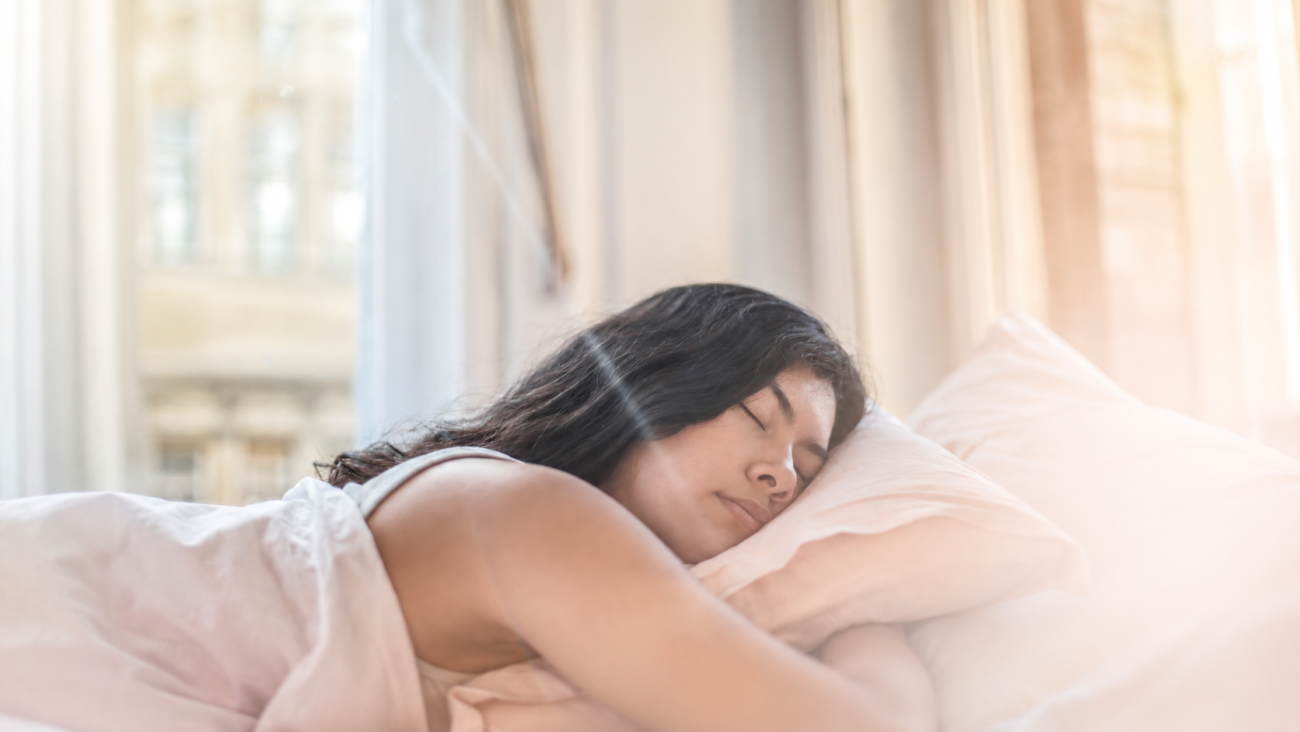
When it comes to simply sleeping more soundly through the night, side sleeping tends to come out ahead for most people. It naturally keeps airways more open than back sleeping, which reduces snoring and the likelihood of breathing interruptions that can fragment sleep without you realizing it.
Back sleeping can offer excellent rest quality for people who don’t snore or have airway concerns, since it evenly supports the body without added pressure on internal organs. Stomach sleeping is generally the least supportive option for restful sleep overall, since it forces the neck into a rotated position for hours and can restrict natural breathing patterns.
It’s also worth noting that position isn’t the only factor at play. Stress and anxiety are major contributors to poor sleep quality regardless of how you’re lying down if a racing mind is a bigger issue for you than physical discomfort, it’s worth addressing that alongside your sleep setup. Our guide on how to reduce stress and anxiety naturally covers this in depth.
Sleep Positions to Avoid
Stomach sleeping is the position most consistently flagged by sleep and spine specialists, for a few overlapping reasons. It flattens the spine’s natural curve, forces the neck to stay turned to one side for extended periods, and places extra pressure on joints and muscles that aren’t designed to hold that position for hours.
- Stomach sleeping with the neck turned: strains the cervical spine
- Sleeping without any pillow support between the knees or under the neck: allows the spine to shift out of alignment overnight
- Curling too tightly into a fetal position: can restrict deep breathing and place pressure on the diaphragm
If stomach sleeping is a deeply ingrained habit, a thin pillow (or no pillow at all) under the head, along with a flatter pillow under the pelvis, can help reduce some of the strain while you work on transitioning to a more supportive position.
How to Transition to a Better Sleep Position
Changing a long-held sleep habit takes patience most people unconsciously return to their default position within the first few nights. A few practical steps make the shift easier:
- Use a body pillow to physically block yourself from rolling onto your stomach
- Place a supportive pillow between your knees if you’re moving toward side sleeping
- Choose a pillow height that keeps your neck neutral, not tilted up or down
- Give it two to three weeks new sleep positions typically feel awkward before they feel natural
Frequently Asked Questions
What is the healthiest sleep position overall?
For most people, side sleeping particularly on the left side with a knee pillow offers the best balance of spinal support, digestive benefit, and breathing quality. That said, the right position ultimately depends on your specific health needs.
Is sleeping on your back bad for you?
Not inherently. Back sleeping is a supportive position for spinal alignment, but it can worsen snoring or sleep apnea symptoms in people prone to them, and it’s generally not recommended during later stages of pregnancy.
Why is stomach sleeping considered the worst position?
Stomach sleeping forces the neck into a rotated position for extended periods and flattens the spine’s natural curve, which is why it’s most commonly associated with neck and back pain among sleep specialists.
Does sleep position really affect digestion?
Yes. Left-side sleeping is generally considered the most supportive position for digestion and reducing acid reflux, due to the natural positioning of the stomach and esophagus in that orientation.
How long does it take to get used to a new sleep position?
Most people need around two to three weeks of consistent effort before a new sleep position starts to feel natural rather than forced.
Tired of the same old dinner recipes? Then read the blog on 5 Quick Indian Vegetarian Dinner Recipes